
Developing world research into solar radiation modification just doubled
The second round of the Degrees Modeling Fund marks a major step southwards for research into solar radiation modification.

Climate change's impacts will be uneven. They will fall most heavily on the most vulnerable. The poorest nations and communities will suffer the greatest impacts, as they have the least robust infrastructure and the least capacity to adapt. They are also the least responsible for historical carbon emissions. This is why it's widely acknowledged that rich nations must lead the way in cutting their emissions.
Solar Radiation Modification (SRM)'s impacts will also be uneven. The most vulnerable have the most to gain if SRM goes well and the most to lose if SRM goes poorly. It's therefore essential that the developing world is at the table when decisions are made on SRM. And, when they speak on this issue, whether to support further development or to reject it, they ought to do so on the basis of the best evidence about the potential benefits and risks of SRM for their region.
Today we took an important step towards that inclusive vision of developing world engagement on SRM with the launch of the second round of the DEGREES modeling fund (announcement).
The Degrees Initiative
Degrees is a UK-based organization that funds research teams in less developed nations so that they can study the impacts of climate change and SRM in their region. It launched in 2015 as the Solar Radiation Management Governance Initiative (SRMGI), running a series of workshops in less developed nations to introduce them to the idea and to gather participants' views on it. A key message from these workshops was the importance of home-grown research into the impacts of SRM.
After winning further funding, Degrees launched the first round of the Degrees Modeling Fund (DMF) in 2018, funding 9 teams from less-developed nations to study the impacts of SRM in their regions (see Figure 1).
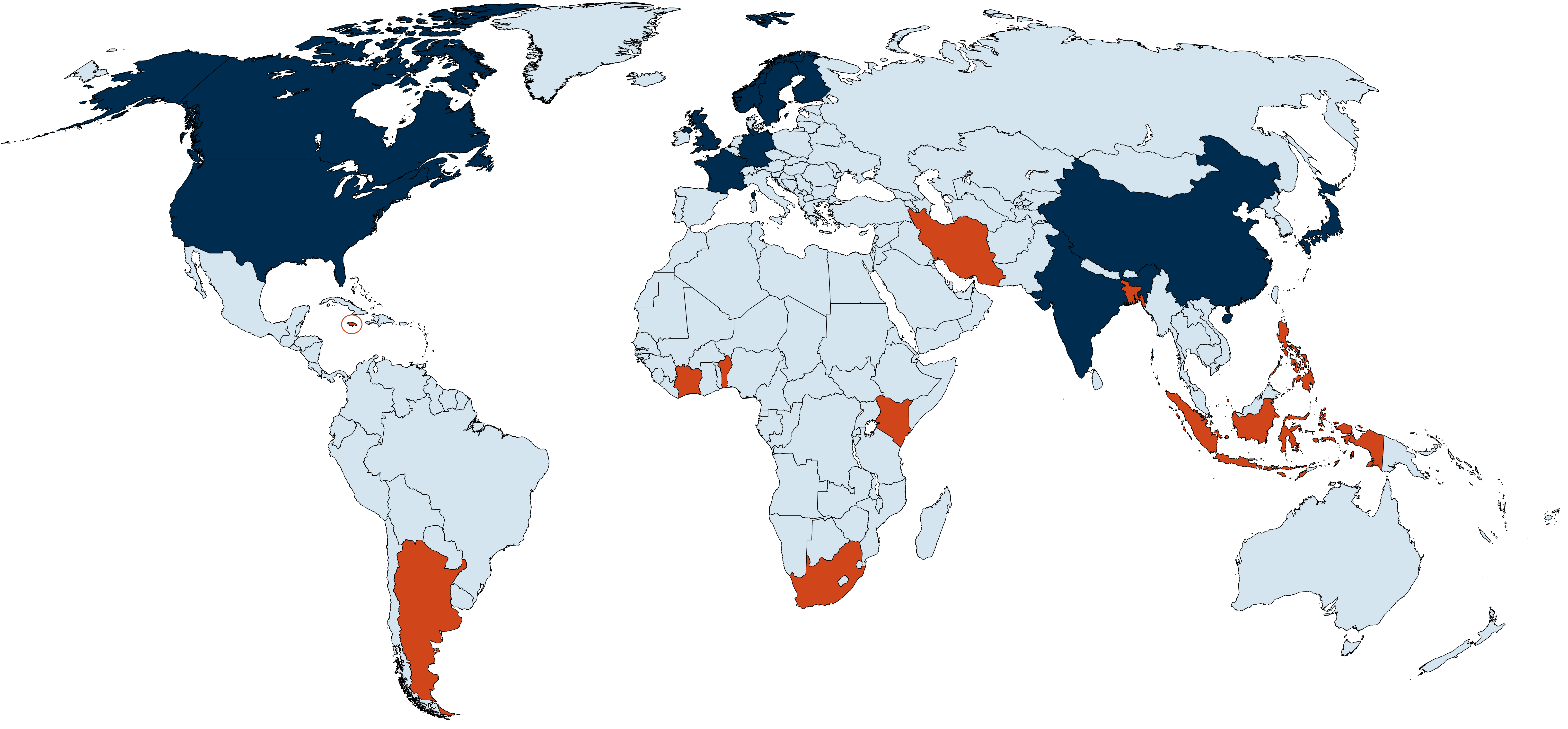
Figure 1. Shows the first round of the Degrees Modeling Fund. In blue, countries with SRM research projects before 2018. In orange, countries in the Global South supported in the first round of the Degrees Modelling Fund.
The first round of the DMF had impressive results, producing several high-quality publications. The projects funded studied a wide range of climate impacts, from assessing the impacts of SRM on the West African Monsoon (Da-Allada et al. 2020), to evaluating river flow in the La Plata basin in Argentina (Camilloni et al. 2022), and changes in humid heat across Indonesia (Kuswanto et al. 2021).
A major step southwards
Rich, northern nations conduct the bulk of research into climate change, housing most of the major climate modeling centres, and so it is unsurprising that they've dominated SRM research to date. However, with the launch of the 2nd round of the DMF supporting 15 new research teams, the number of SRM research projects in the developing world has doubled (see Figure 2).
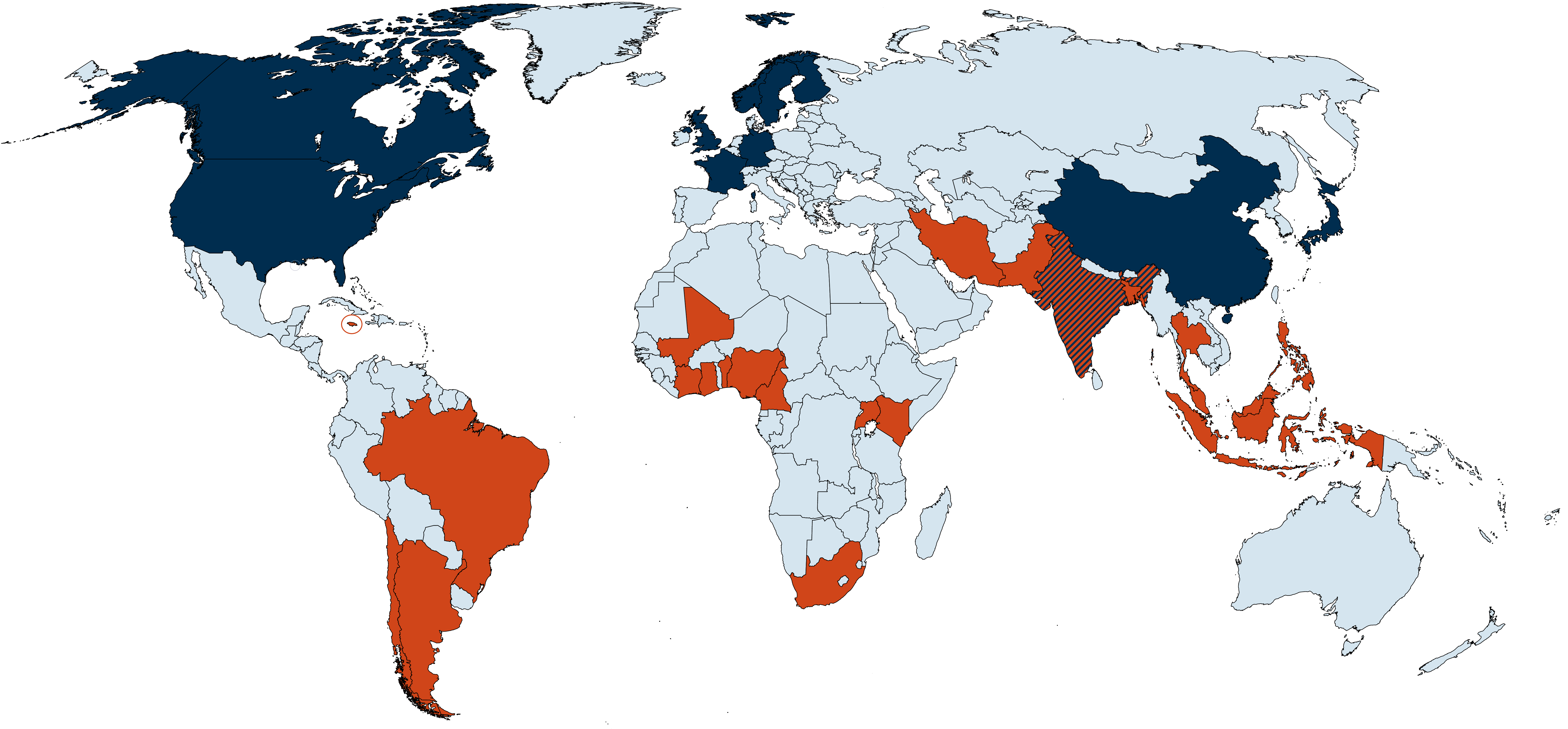
Figure 2. Shows the second round of the Degrees Modeling Fund. In blue, countries with SRM research projects before 2018. In orange, countries in the Global South where new research projects have been funded through the Degrees Modelling Fund to date.
I had a chance to meet the researchers that will lead these research projects in Istanbul at the end of January and I’m excited to see what they produce (see Figure 3). The new projects will advance our understanding of how SRM could impact populations and ecosystems around the world, from changes to the productivity of pastureland in Africa, to the melting of glaciers of the Andes, and the risks of floods in Malaysia.
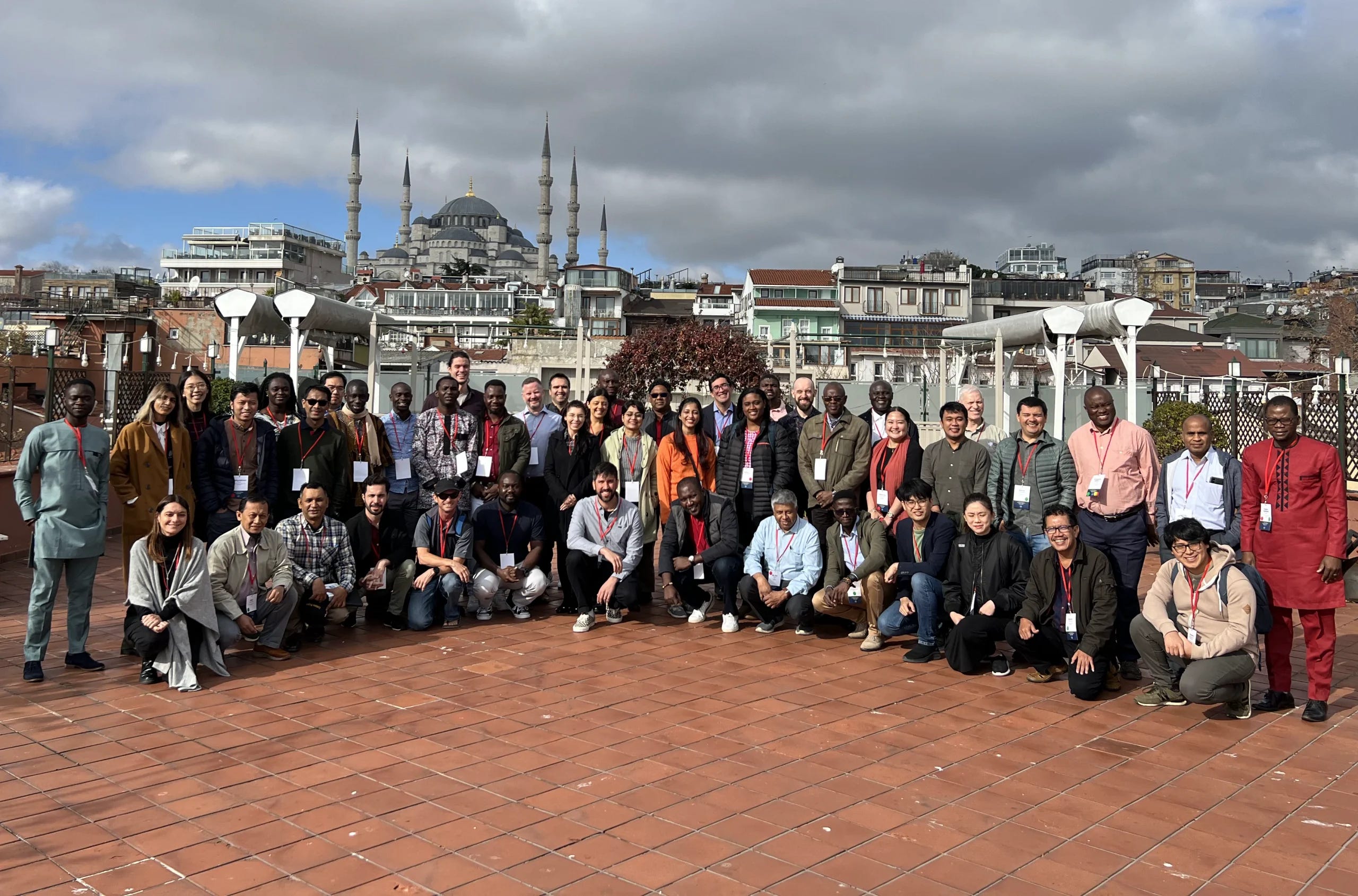
Figure 3. Photo of DMF researchers, collaborators and DI staff at a workshop in Istanbul, Turkey, 2023 (source).
As the risks of climate change grow and SRM rises up the international agenda, the countries of the developing world will begin developing their positions on it. If things go well, many of these scientists with will be the ones who help their governments develop those positions.
FIN